
What Are the Different HDMI Cable Versions? What’s the Difference?
When choosing an HDMI cable, many people tend to select products based on version numbers such as HDMI 1.4, 2.0, and 2.1.
However, this is a common misconception.
The HDMI version supported by a device is not the same as the certification standard of an HDMI cable.
The HDMI version of a device refers to the protocol and feature specifications supported by products such as TVs, graphics cards, and game consoles.
By contrast, HDMI cable certification indicates the transmission performance that the cable itself has been tested and certified to achieve.
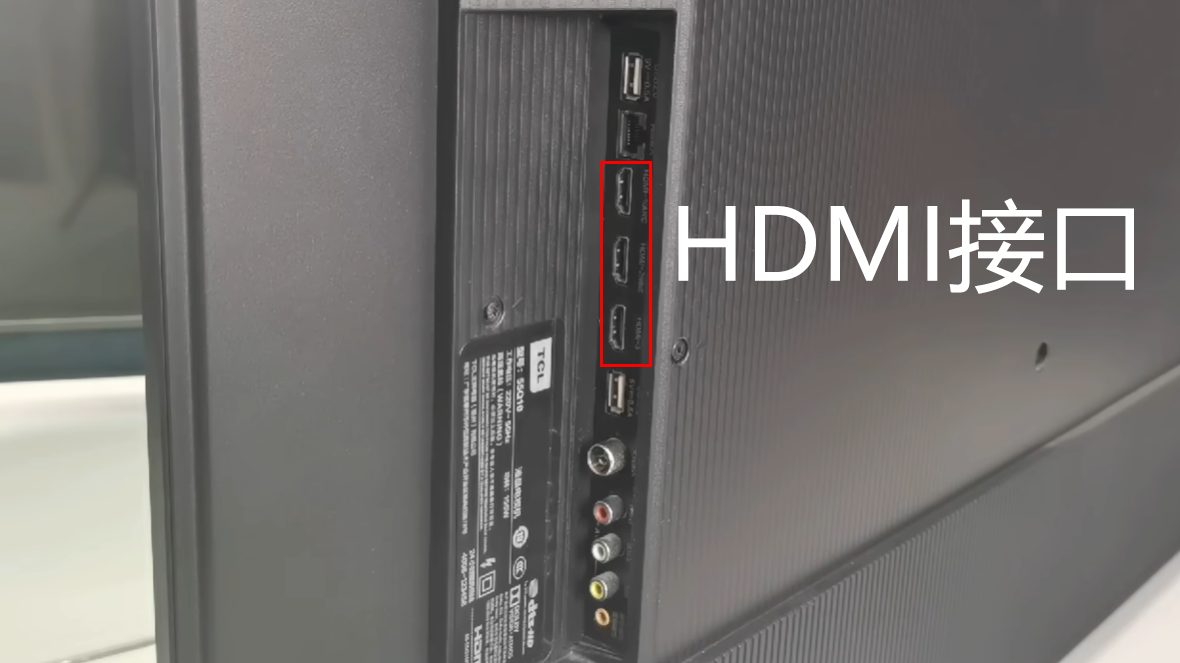
Simply put:
The device determines which features are supported; the cable determines whether those features can be transmitted reliably.
Based on the cable’s transmission capabilities, the HDMI Licensing Administrator (HDMI LA) defines different HDMI cable certification categories.
Higher transmission bandwidth enables support for higher resolutions, higher refresh rates, and more demanding audio, video, and gaming features.

Why Is It Easy to Choose the Wrong HDMI Cable?
Terms such as “Full-Bandwidth 8K” and “Designed for Esports” are commonly used as marketing language in the market rather than official HDMI cable certification categories.
Uncertified cables with exaggerated specifications can result in issues such as black screens, flickering, or high-refresh-rate modes failing to activate.
HDMI cables that meet the relevant requirements need to undergo appropriate certification testing and carry the corresponding certification identification.
Therefore, when choosing an HDMI cable, don't focus solely on promotional terms. Pay closer attention to:
Official certification
Transmission bandwidth
Internal cable structure
Materials and manufacturing processes
What Makes a Good HDMI Cable?
When purchasing an HDMI cable, many people focus only on the connector type, length, and price.
However, the factors that truly influence transmission stability are often found inside the cable.
A high-quality HDMI cable requires comprehensive consideration of material selection, structural design, and manufacturing processes.
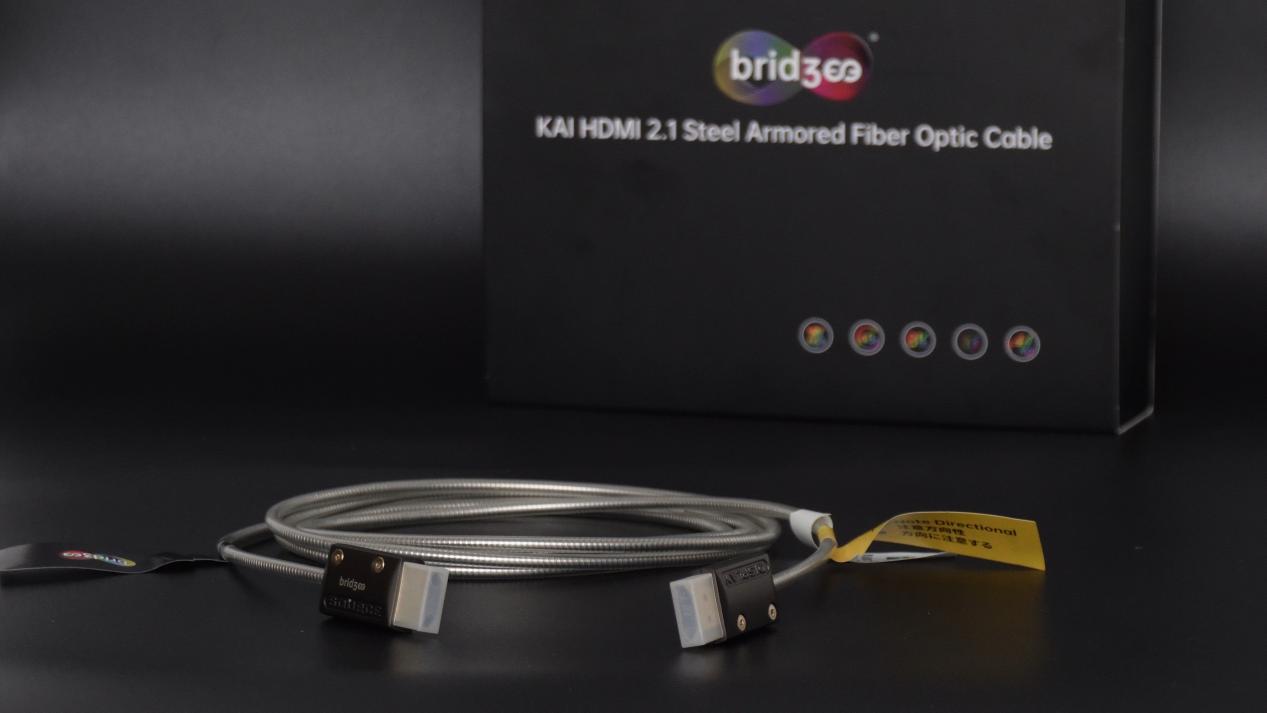
1. Reliable Transmission Performance
As applications such as 4K, 8K, and high-refresh-rate video continue to develop, HDMI cables are required to handle increasingly demanding data transmission.
High-bandwidth transmission places greater demands on cable materials and internal construction.
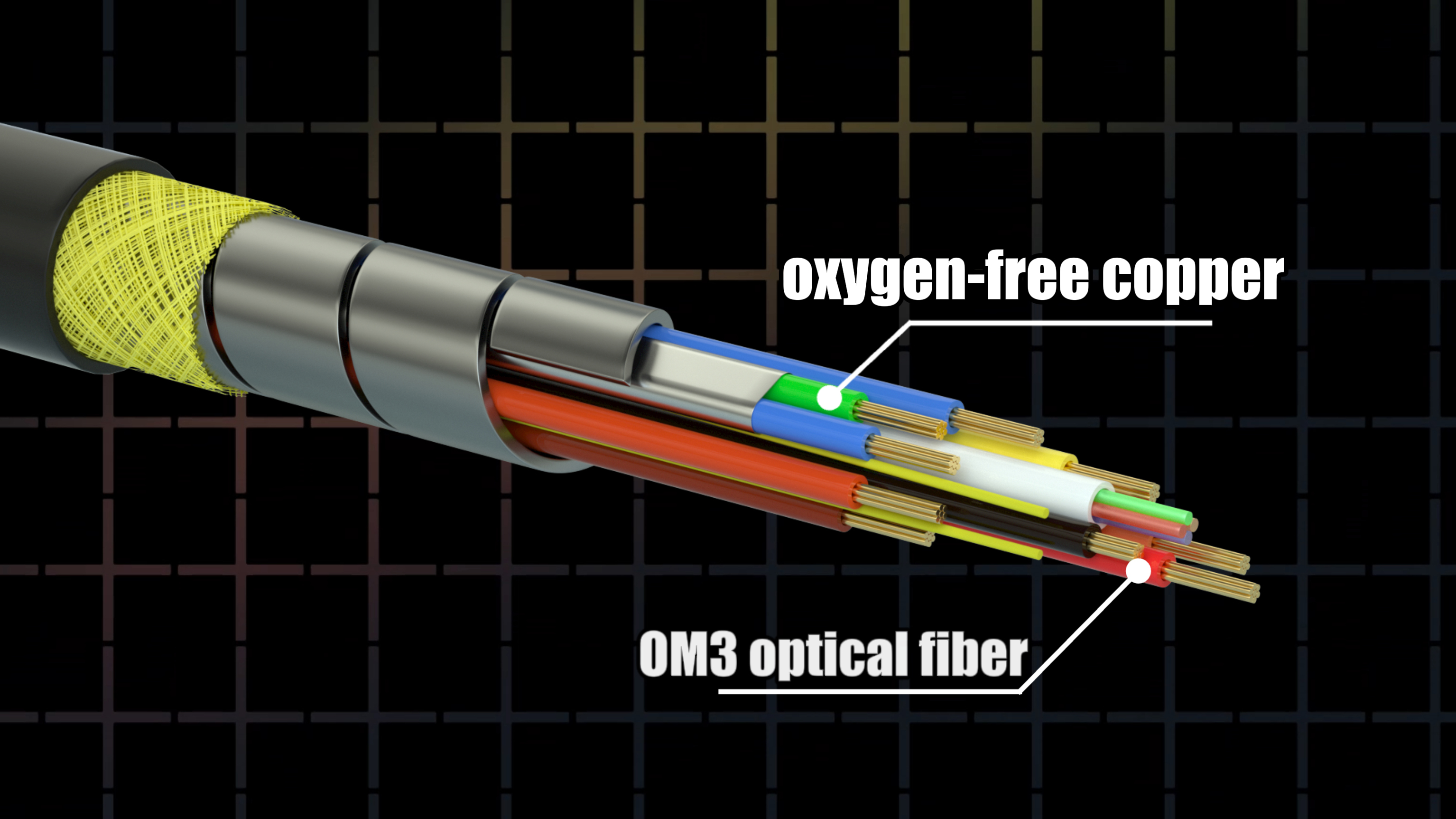
Appropriate conductor and transmission structures — such as a combination of oxygen-free copper and OM3 optical fiber — can help reduce signal loss and improve transmission stability in high-bandwidth applications, supporting high-definition AV systems and high-refresh-rate gaming.
2. Strong Tensile and Flexural Performance
In real-world use, HDMI cables may be bent, coiled, stored, and moved frequently.
If the internal structure lacks sufficient mechanical strength, repeated use can place stress on internal components and potentially affect the service life of the cable.
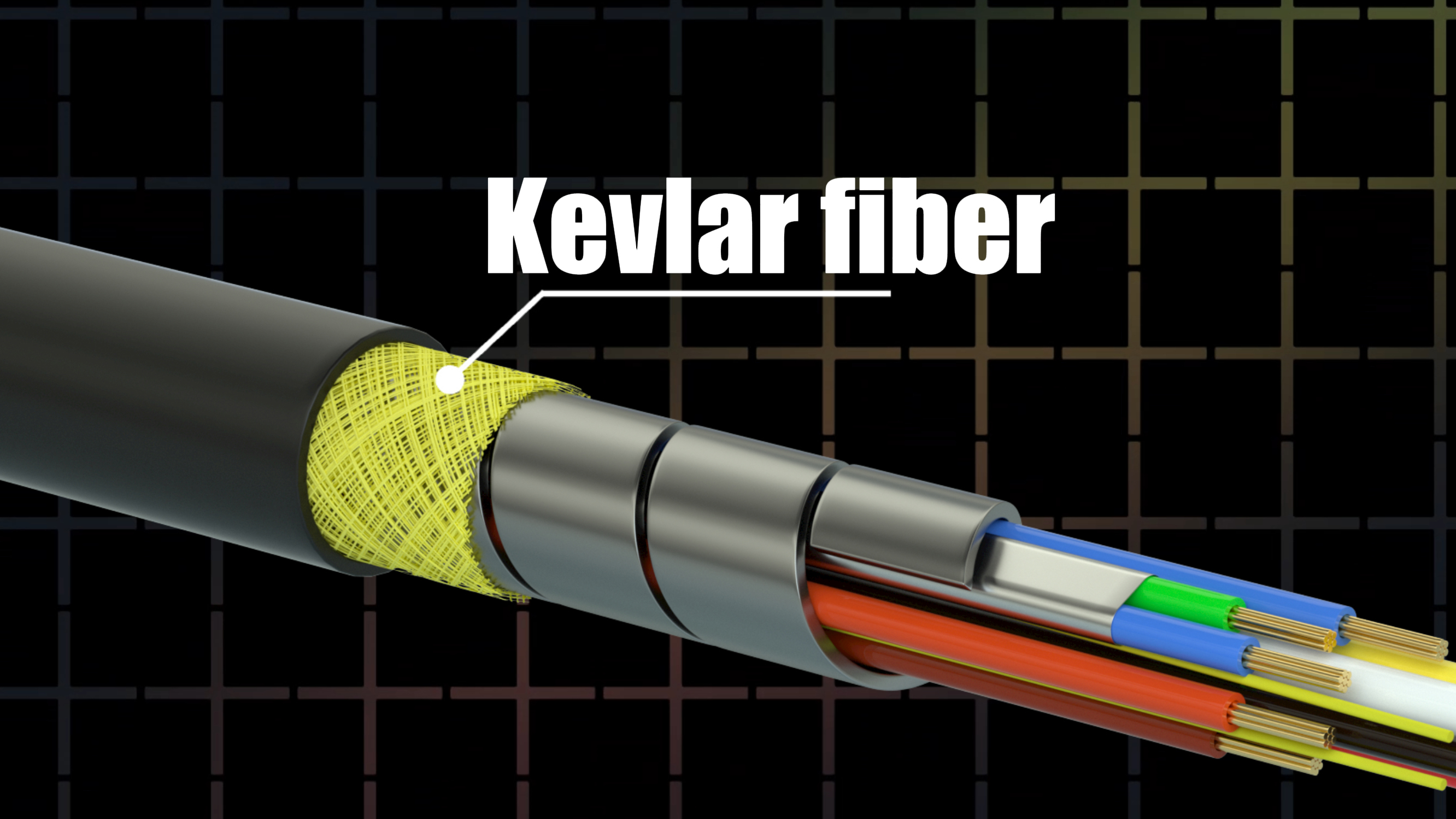
Adding a high-strength fiber reinforcement layer, such as Kevlar fiber, can improve tensile strength and resistance to repeated bending while providing additional protection for the internal structure.
3. Effective EMI Protection and Safety Design
In environments such as home AV systems, multi-device workspaces, and gaming setups, surrounding equipment may generate electromagnetic interference.
If a cable has insufficient shielding, external interference may affect signal stability.
A multi-layer shielding structure can help reduce the impact of external electromagnetic interference. Combined with a flame-retardant outer jacket, it can provide additional protection and enhance overall cable safety.
4. Strict Testing and Official Certification
Beyond materials and construction, the final performance of an HDMI cable needs to be verified through rigorous testing.
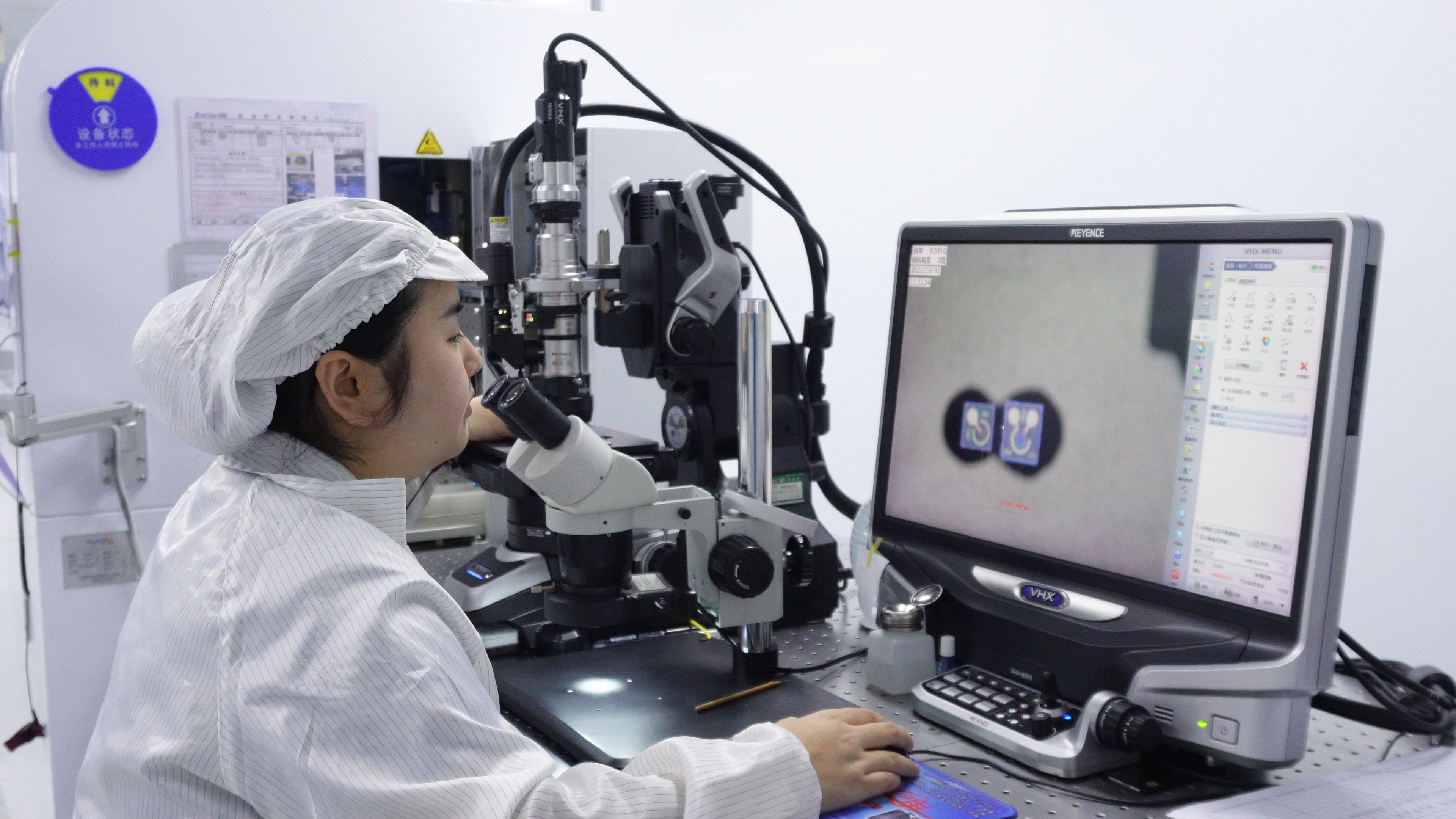
Professional testing helps verify that the cable’s actual transmission capabilities meet its stated specifications, while official certification provides an additional level of validation against the applicable HDMI requirements.
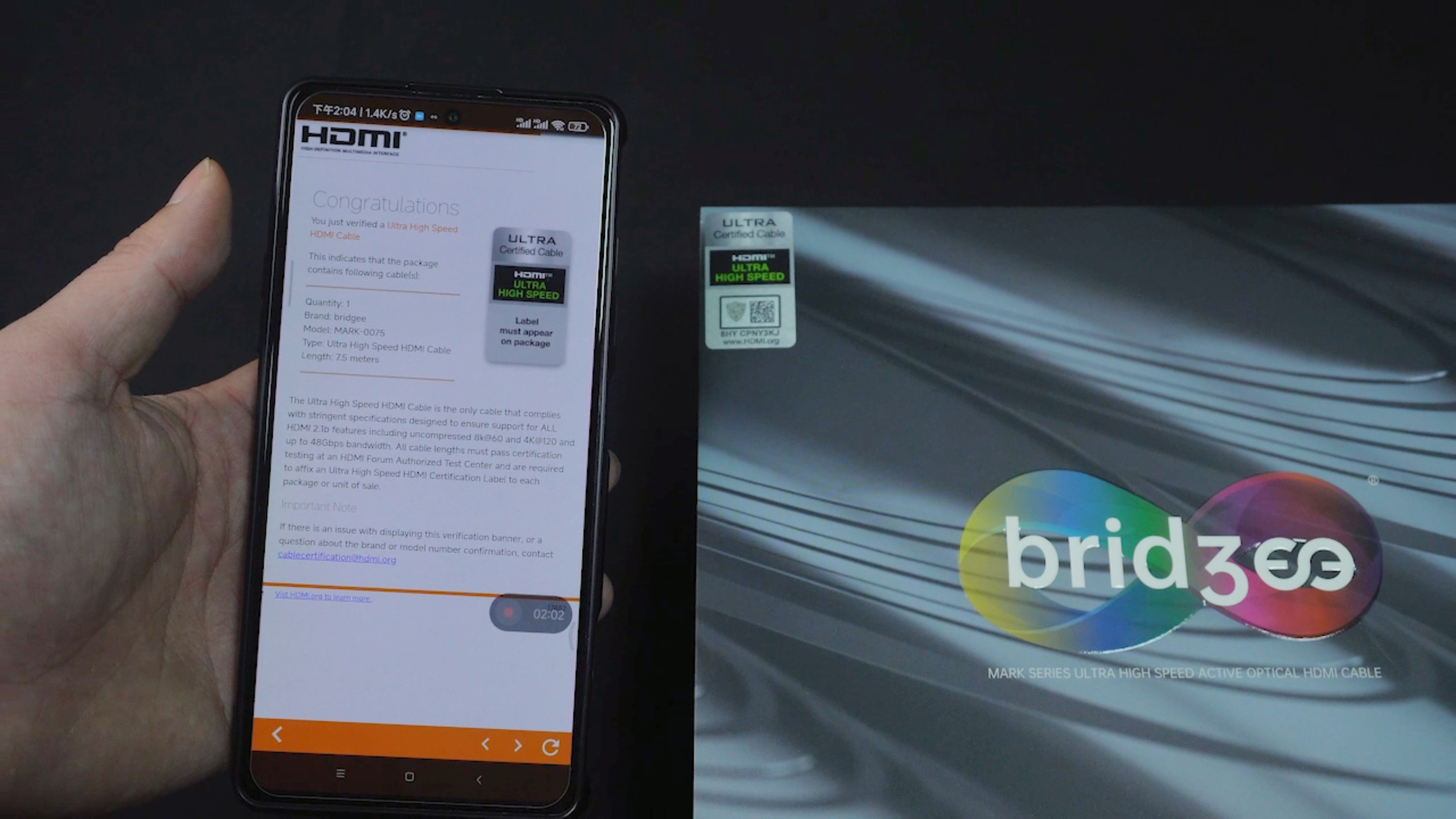
Only cables that have undergone appropriate testing and verification can provide confidence in stable performance under their specified operating conditions.
Conclusion
When choosing an HDMI cable, don't focus solely on numbers such as 1.4, 2.0, or 2.1.
What truly matters is the combination of official certification, transmission bandwidth, internal construction, materials, and manufacturing quality.
Choosing a properly certified, well-designed HDMI cable can help ensure a more stable and reliable experience for high-definition AV and high-refresh-rate gaming applications.